The shortage of workers, high labor costs, and questionable imports threaten Bulgarian farmers with crises. The labor shortage is becoming one of the most serious problems facing fruit and vegetable producers.
Labour shortages, high labour costs and dubious imports are threatening Bulgarian farmers with crisis.
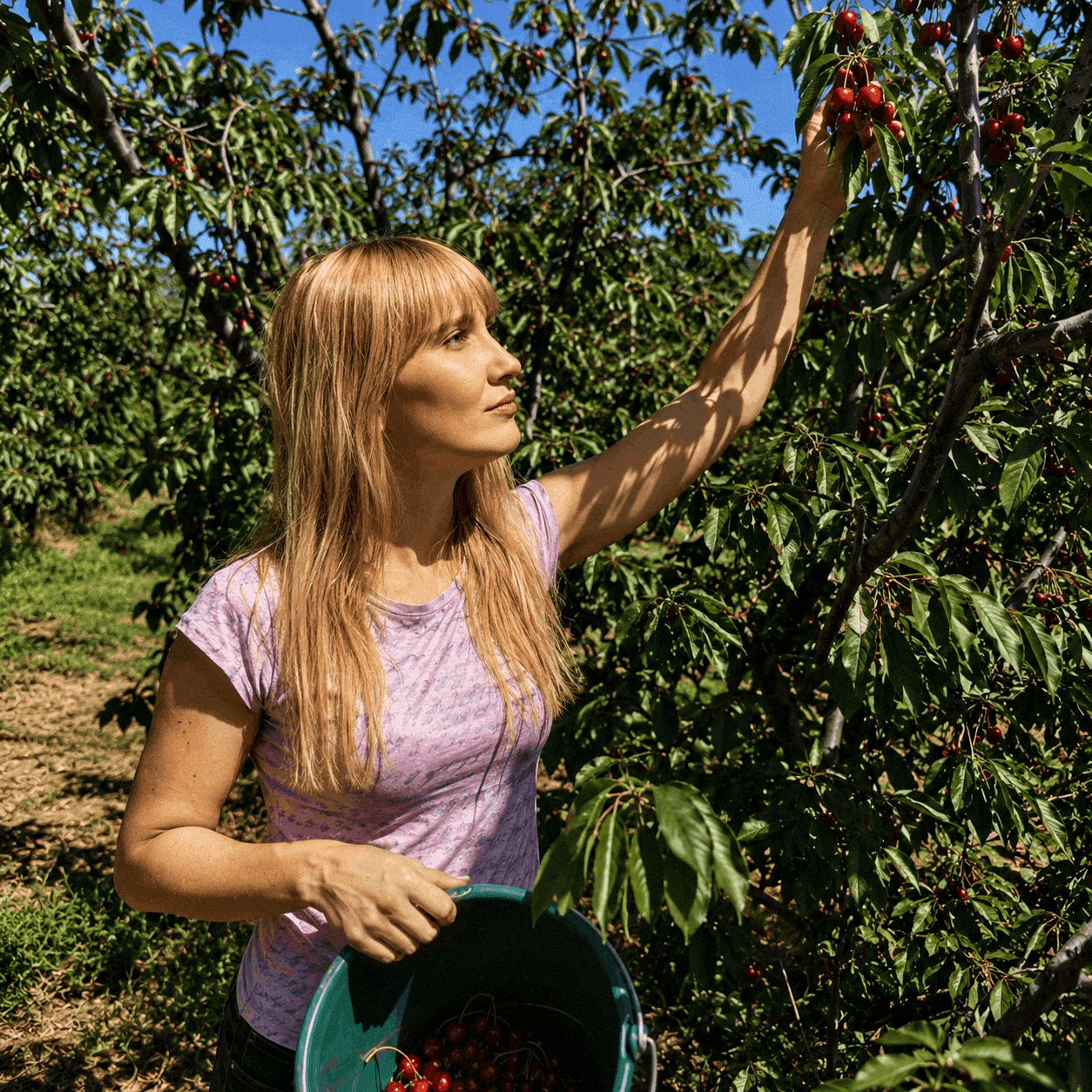
The labour shortage is becoming one of the most serious problems facing fruit and vegetable growers. At the height of the cherry harvest, demand for pickers coincides with the rose harvest, creating fierce competition between the different sectors of agriculture.
Cherry growers: Low purchase prices, high costs and risks for the sector
Growers are already reporting a serious shortage of workers and a sharp rise in wages. “The wages demanded are in some cases unreasonably high and could render the produce unsellable. For cherries, harvesting costs can reach 60–70% of the purchase price offered per kilogram of fruit, which puts farmers in a position where they are working at break-even or even at a loss," commented Tsvetan Tsekov, Chairman of the Board of the Fruit and Vegetable Chamber, to Agri.bg.
The problem is not limited to cherries. Vegetable growers are also reporting low purchase prices for cucumbers, courgettes and tomatoes. Last year, winegrowers left over 50% of their harvest in the vineyards due to a lack of labour and low prices. This shows that the problems are no longer isolated but affect the entire sector.
Until now, many producers have sought solutions on their own, on a case-by-case basis, but the Chamber believes that a “common approach and stronger sectoral protection” are needed. The organisation states that it will defend the interests of both fruit and vegetable growers.
“We don’t have enough workers – most have chosen to go to Western Europe, Germany, France. The situation for all our colleagues is dire due to the labour shortage. We need to think about how to bring in workers from abroad,” said vegetable grower Ivan Kaburov from the village of Malo Konare.
Cucumbers are currently being harvested, but the main workers are observing a religious holiday and have returned to the Velingrad area. At the same time, the planting of late cabbage is beginning, and the early crop is being harvested, yet producers are facing a serious labour shortage, according to the farmer, who is a member of the Executive Board of the Bulgarian Association of Greenhouse Producers.
Imports of fruit and vegetables of dubious quality
Added to the labour shortage is another serious problem – unregulated and insufficiently controlled imports. According to industry representatives, produce continues to enter Bulgaria that may look good on the surface but raises doubts about its quality and the presence of excessive levels of pesticides.
Producers are urging the Bulgarian Food Safety Agency to step up inspections and publicly disclose the quantities of produce that have been stopped from import. According to the industry, controls are key not only for consumer health but also for the protection of Bulgarian producers, who face unfair competition.
“Without active state intervention through administrative and legislative measures, the sector will struggle to cope on its own. Controls are needed across the agri-food chain, transparency of origin, restrictions on unregulated imports, and policies to ensure a labour force during the busy farming seasons,” adds Tsvetan Tsekov.